Cardio doesn't automatically kill muscle gains. Learn what the interference effect actually means, which types of cardio are easiest to combine with lifting, when to schedule cardio, and how to improve cardiovascular fitness without unnecessarily compromising strength or muscle growth.
Sleep plays an important role in muscle recovery, training performance, and overall health. Learn how much sleep active adults actually need, what happens when you consistently fall short, and whether naps or catch-up sleep can help.
How long should you rest between sets? Learn how rest periods affect strength, muscle growth, training volume, and performance, plus practical FitCalc recommendations for compound and isolation exercises.
How much muscle can you realistically build in a month? Learn why beginners gain faster, why scale weight is not the same as muscle gain, and how to structure calories, protein, training, and recovery for steady natural muscle growth.
Your body does not stop absorbing protein after 20 or 30 grams. The amount that maximizes muscle protein synthesis from one meal is a different question. Here’s what the research actually says about protein absorption, meal size, and how to distribute your daily intake.
DEXA scans can provide detailed estimates of body fat, lean mass, bone mineral content, and where those tissues are distributed. But even DEXA isn't a perfect body-fat measurement. Here's how it works, how accurate it really is, and whether paying for a scan is worthwhile.
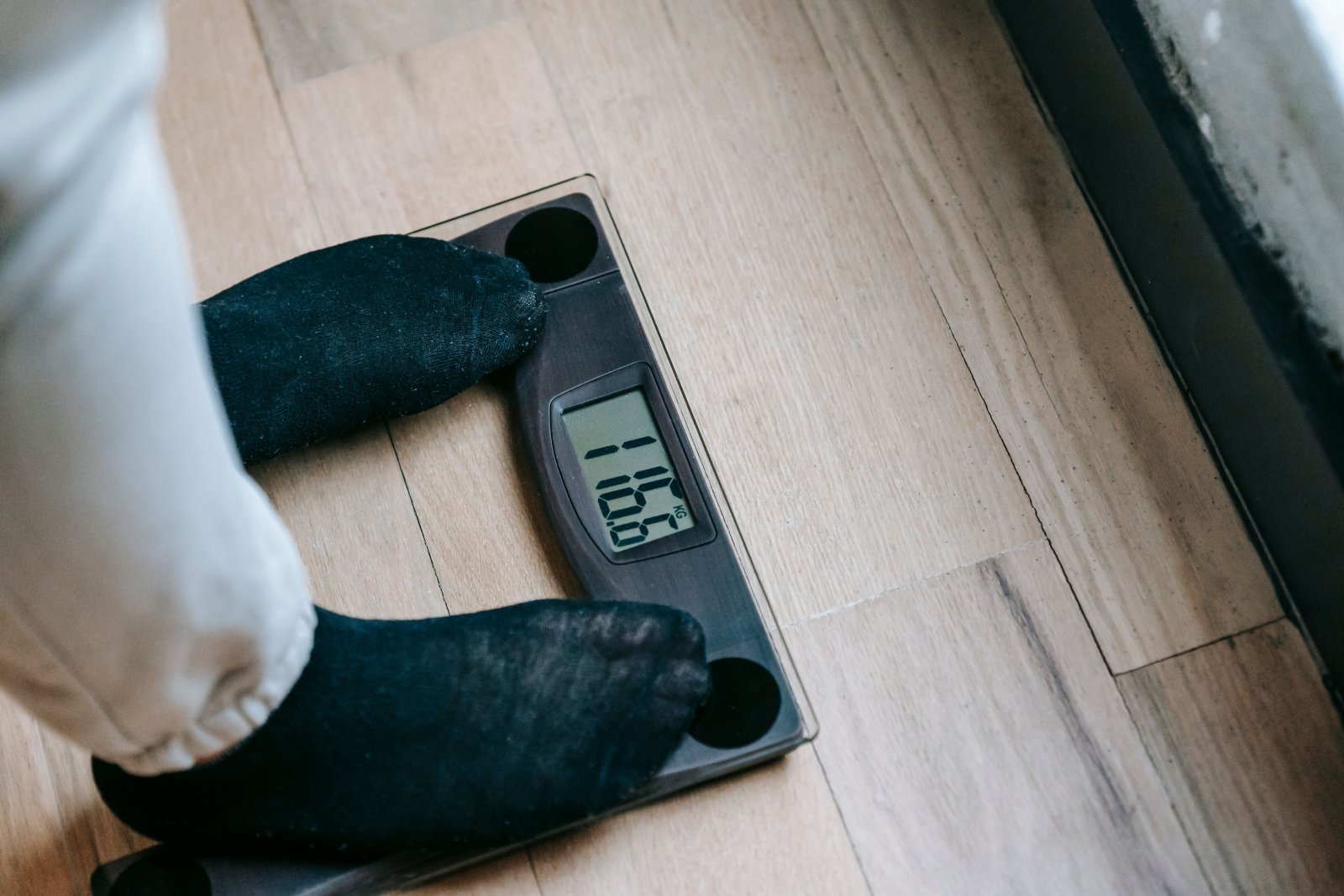
Woke up three pounds heavier than yesterday? You almost certainly didn't gain three pounds of body fat overnight. Water, glycogen, sodium, food, hydration, and even a hard workout can move the scale surprisingly quickly. Here's why the trend matters more than a single weigh-in.
Grass-fed and grass-finished beef has some real nutritional advantages over conventional grain-finished beef, but the difference isn't large enough to make regular beef a bad choice. Here's what actually changes when cattle are finished on grass and whether it's worth paying more.
Protein gets most of the attention when building muscle, but carbohydrates play an important role in fueling the training that stimulates growth. Here’s why FitCalc recommends at least 200 grams of quality carbohydrates per day for active adults, and more when activity and training demands increase.
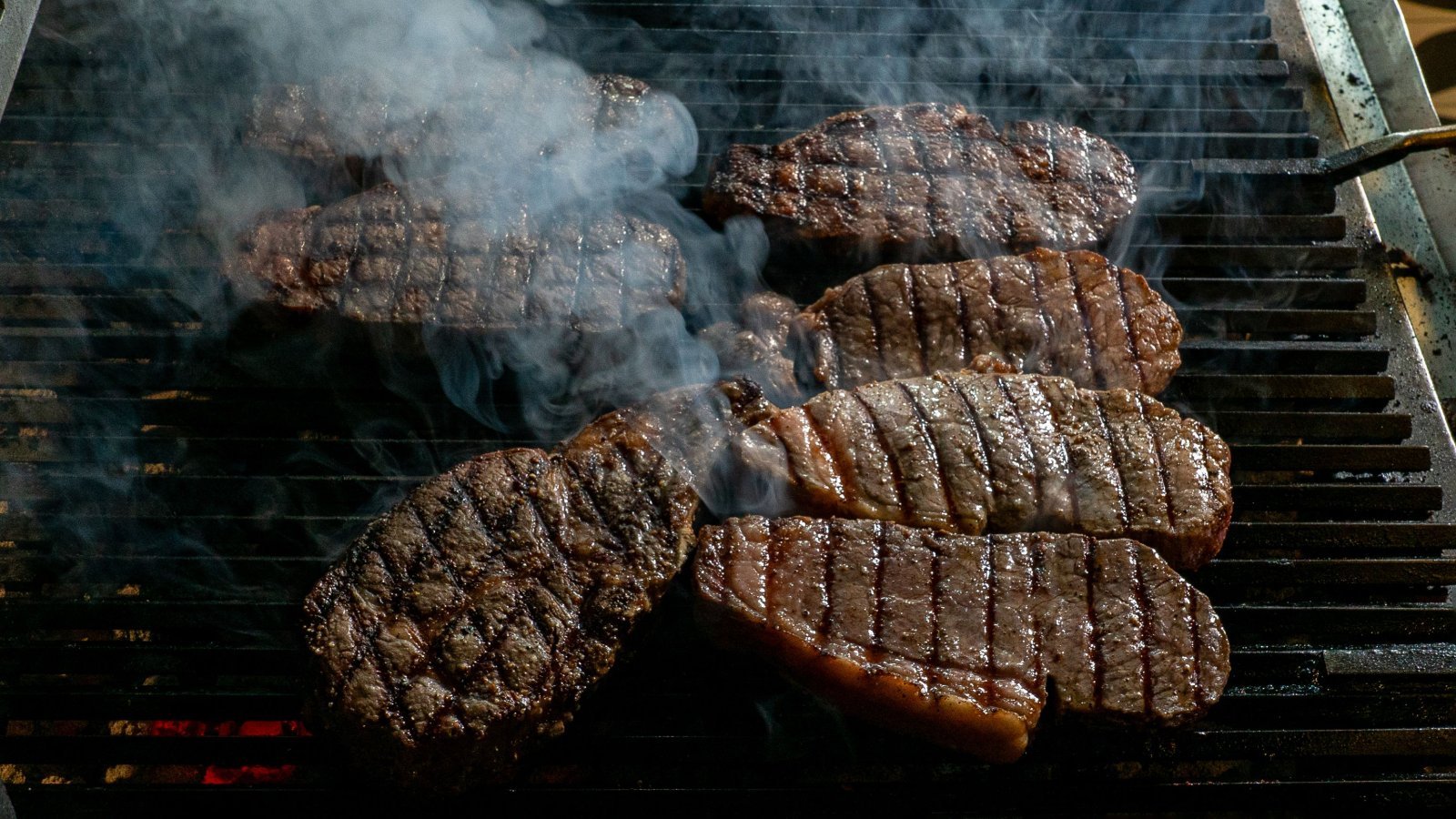
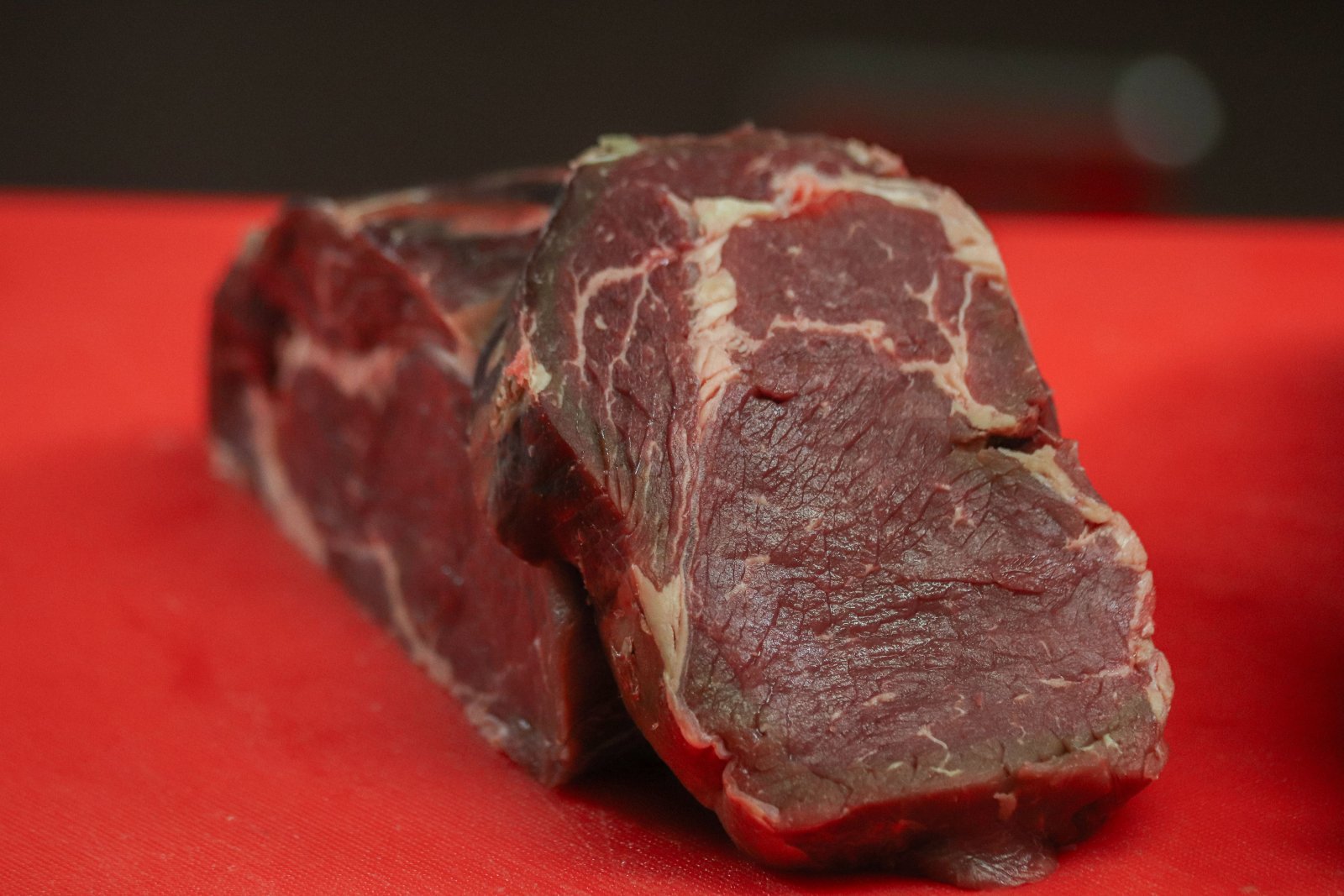
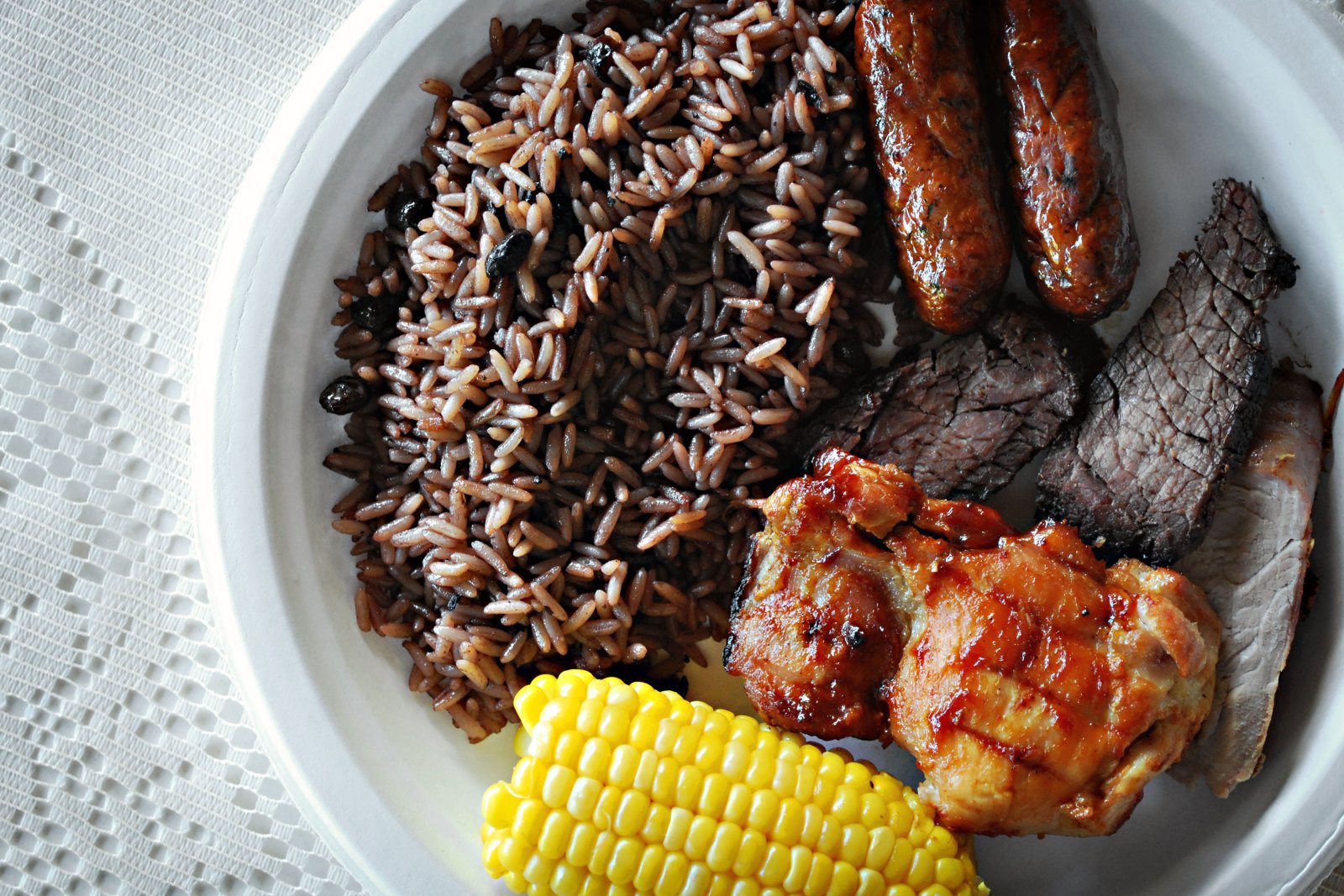
Beef provides far more than protein. From vitamin B12 and highly bioavailable iron to zinc, creatine, carnosine, and complete amino acids, here's why FitCalc considers unprocessed red meat one of the most valuable foods you can eat regularly.
Struggling to gain weight doesn't mean you need to live on fast food and mass-gainer shakes. These calorie-dense whole foods can make eating enough easier while still providing quality protein, carbohydrates, fats, vitamins, and minerals.
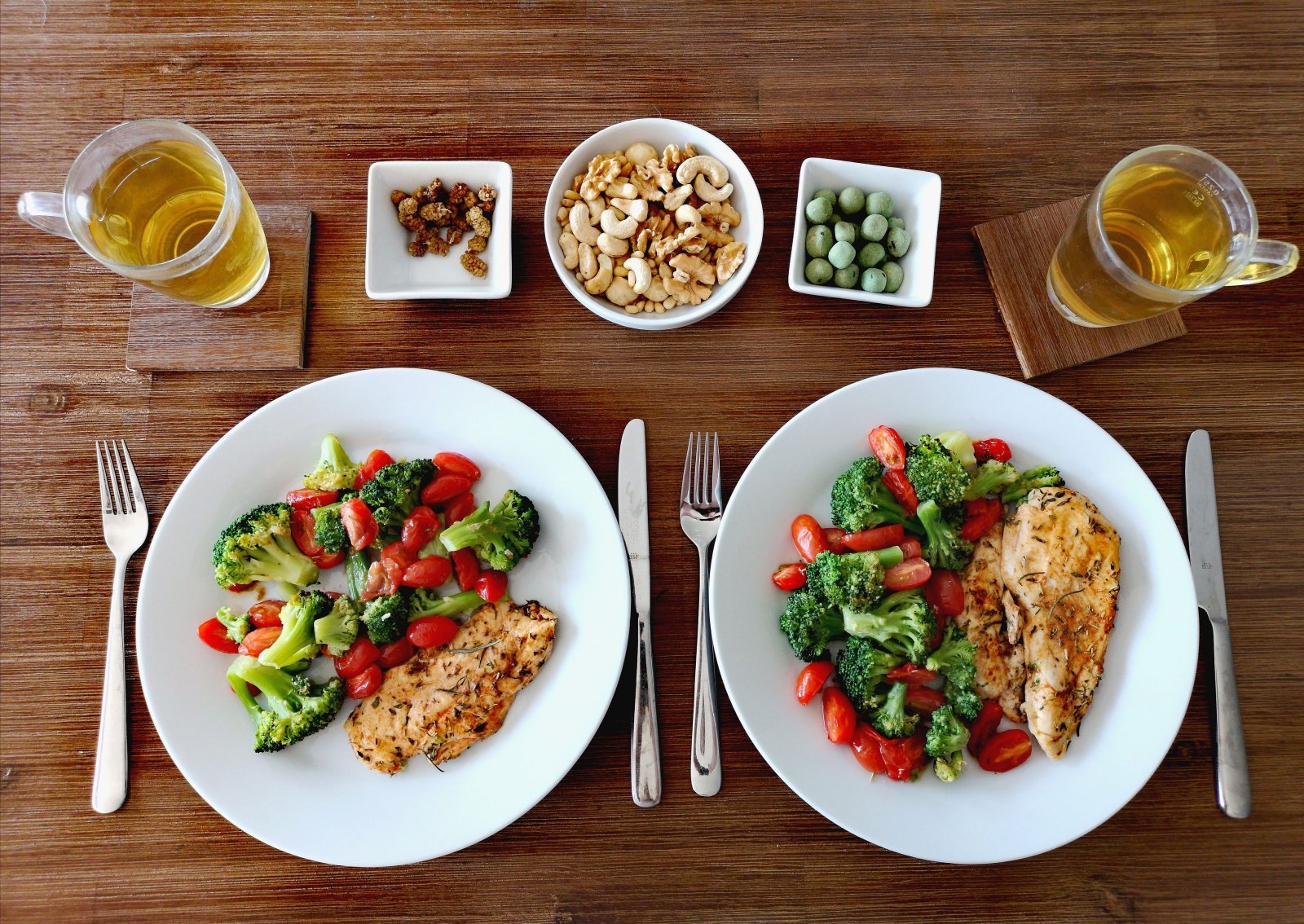
Losing body fat still requires an energy deficit, but that doesn't mean food quality is irrelevant. A high-protein, whole-food diet can make weight loss easier by improving satiety, preserving muscle, and helping you build meals that are actually worth eating.
You don't need to live in the gym to build muscle. If weekly training volume, effort, progression, and recovery are handled correctly, three well-designed training days can produce excellent hypertrophy results.