Working at a desk doesn't have to mean living a sedentary lifestyle. Here's how much exercise desk workers should aim for, why movement breaks matter, and how to stay active when your job keeps you sitting for most of the day.
Research suggests you can build muscle on less than one gram of protein per pound of bodyweight. But if maximizing muscle growth is the goal, there are good reasons to aim higher rather than treating the minimum effective intake as the target.
Beef tallow is making its way back into home kitchens. Here’s why we prefer this traditional cooking fat, what makes it stable under heat, and what the research actually says about tallow, seed oils, saturated fat, and heart health.
You don't need exactly 10,000 steps to benefit from walking, but that doesn't make 10,000 a bad goal. Here's what the research says about daily steps, how much walking makes a difference, and why your overall activity matters more than hitting one perfect number.
Calories and macros matter, but they don't tell you everything about the food you're eating. Here's why two diets with similar calories, protein, carbs, and fat can have very different effects on appetite, nutrient intake, gut health, and long-term health.
Eggs spent decades being treated as a food to limit because of their cholesterol content. Here's what actually happens when you eat 2–4 whole eggs a day, why the yolk matters, and why eggs remain one of our favorite everyday foods.
More training volume can help build more muscle, but only to a point. Here's how many challenging sets per muscle per week we recommend for hypertrophy, why quality matters more than junk volume, and how to distribute those sets effectively.
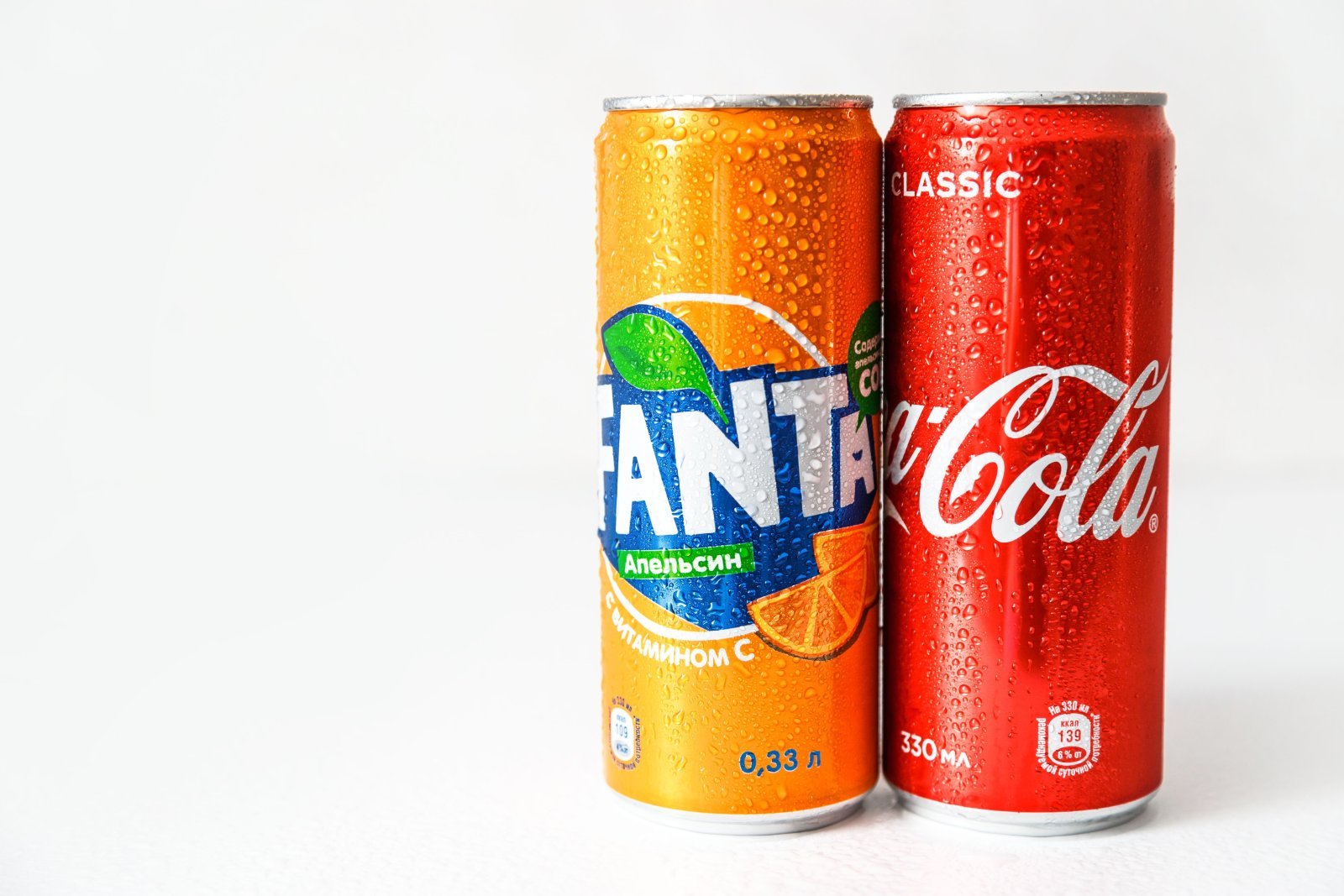
Fruit contains sugar, but that doesn't make an apple nutritionally equivalent to soda or candy. Here's why the source of sugar matters, what whole fruit provides beyond carbohydrates, and where fruit juice and honey fit into a healthy diet.
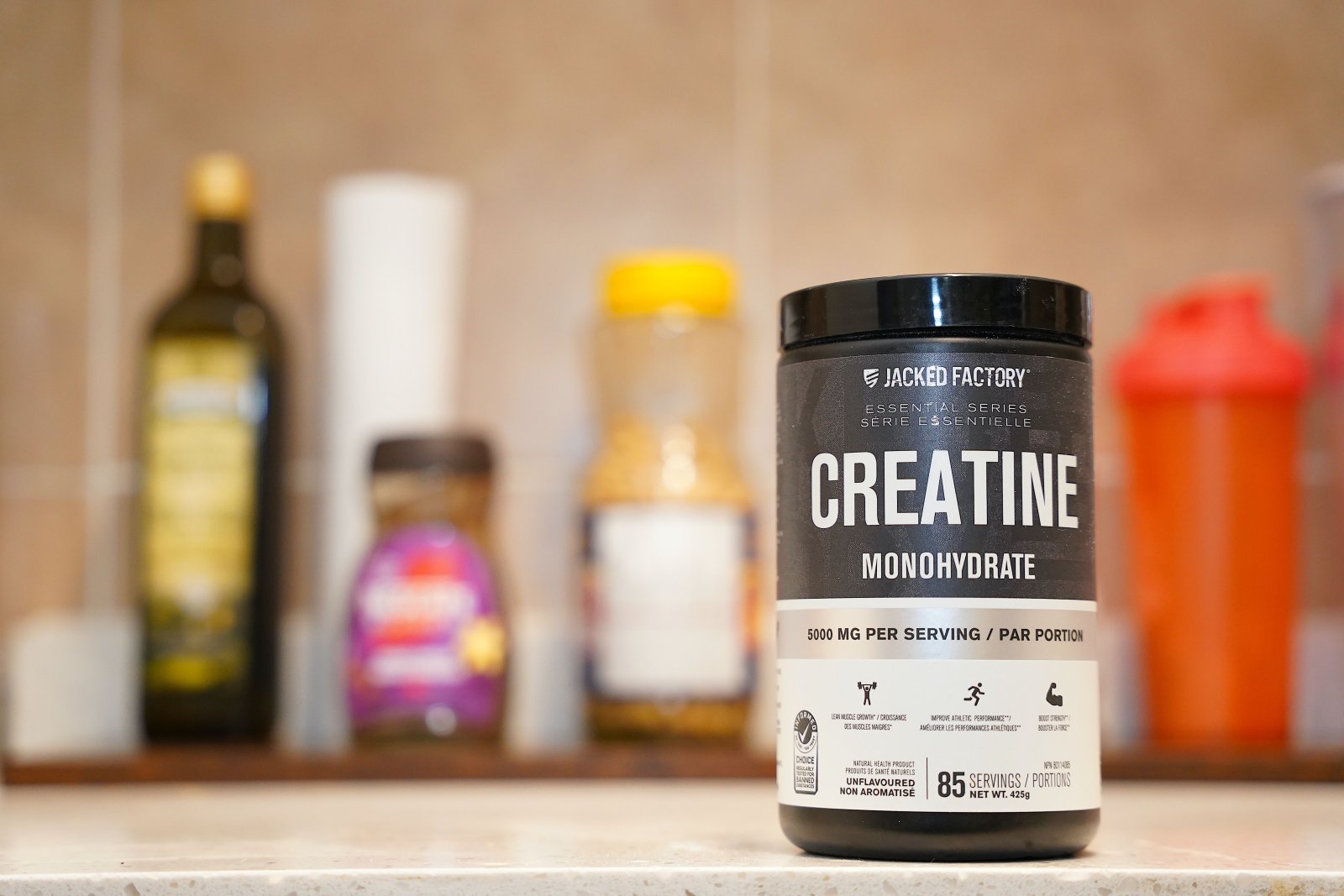
Creatine is much more than a bodybuilding supplement. Here’s what creatine monohydrate actually does, why we recommend it for healthy adults, how much to take, and what the research says about muscle, performance, cognition, kidneys, and long-term use.
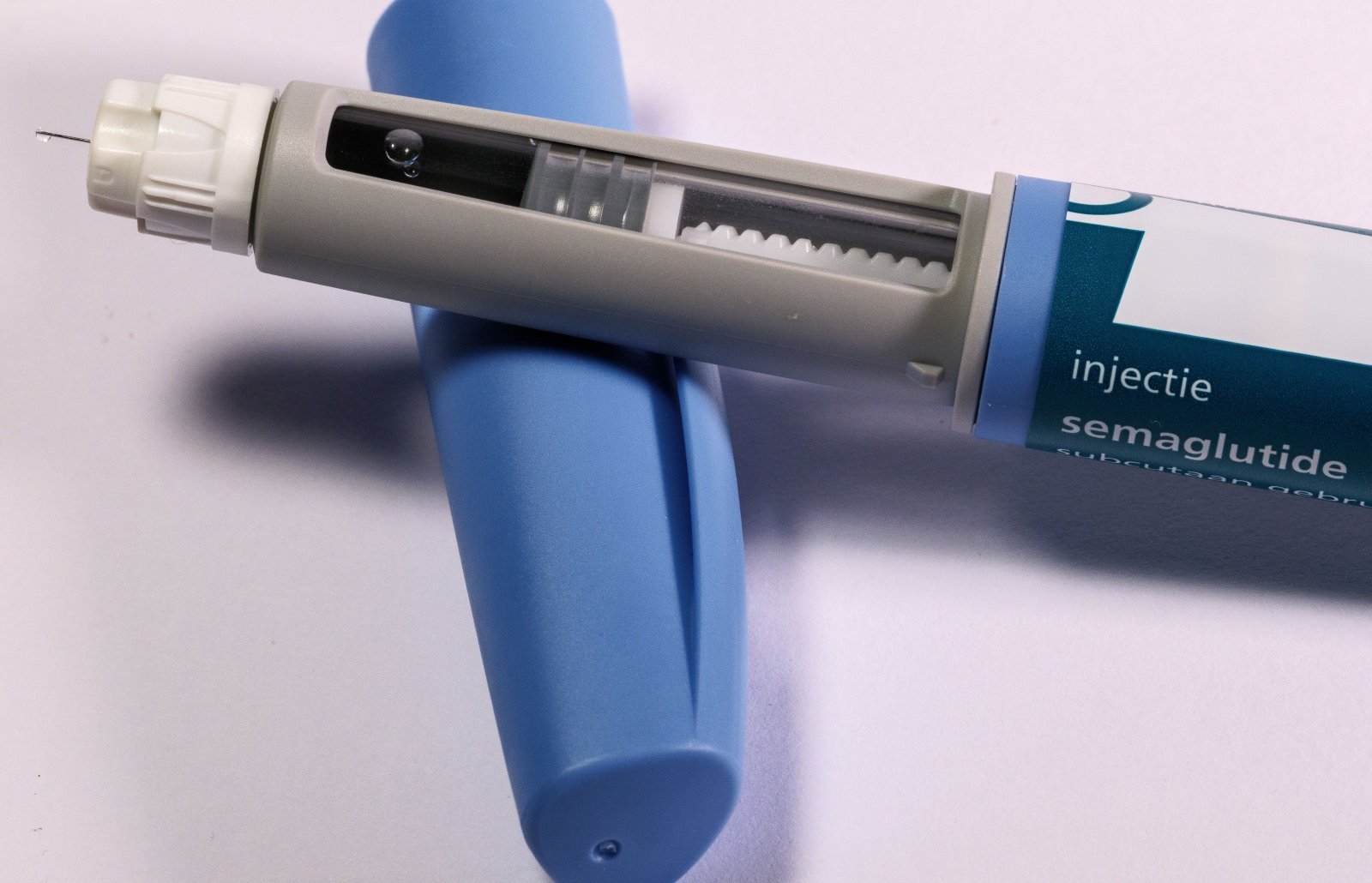
GLP-1 medications can produce substantial weight loss, but the number on the scale doesn't tell you how much fat versus lean mass you're losing. If you're using one, adequate protein, resistance training, and nutrient-dense food should be priorities from the beginning.
If you feel like you eat constantly but the scale refuses to move, you're probably not incapable of gaining weight. From inaccurate calorie tracking to simply needing more food and more time, here's how to figure out what's actually holding you back.
Your metabolism doesn't suddenly break because you've been dieting for months. But as you lose weight, your calorie needs decrease and your body becomes more efficient. Here's what actually happens during a long calorie deficit and how to keep making progress.